
KPV Peptide
What KPV is, how it is classified in the literature, and what to look for when sourcing it as a research material.
KPV is a tripeptide that appears frequently in the research-material catalog and in the scientific literature. This reference page explains what KPV is, how it is classified, and what a laboratory or procurement team should evaluate when sourcing it. It is written for people who source research materials, so it stays on chemistry, classification, and sourcing quality, and makes no claims about use in humans.
Sparta Labs materials are supplied for laboratory and research use only.
What KPV is
KPV is a short peptide. In the published literature it is classified as the tripeptide lysyl-prolyl-valine (Lys-Pro-Val, abbreviated KPV), which corresponds to the C-terminal fragment of alpha-melanocyte-stimulating hormone (alpha-MSH). The three-residue sequence is what defines the material, and its relationship to the alpha-MSH sequence is how the literature situates it among peptide fragments.
Because it is a peptide, KPV is handled like other peptide research materials: it is supplied as a lyophilized (freeze-dried) powder, characterized by analytical methods such as HPLC and mass spectrometry, and documented on a per-batch certificate of analysis. None of that characterization implies any use; it simply describes the material itself.
Chemistry and classification
KPV belongs to the peptide-fragment class. Structurally it is the tripeptide lysyl-prolyl-valine (Lys-Pro-Val), described in the literature as the C-terminal fragment of alpha-melanocyte-stimulating hormone (alpha-MSH), which is the reference point used to describe its sequence. Its identity is confirmed analytically by mass spectrometry, and its purity is assessed by high-performance liquid chromatography (HPLC), the same standard methods used across the peptide research field.
For a researcher, the useful facts are the classification (a tripeptide fragment of alpha-MSH), the physical form (lyophilized powder), and the analytical profile documented on the certificate of analysis for the specific batch received. Those are objective, comparable data points, and they are the ones that matter when comparing one supplier's material to another's.
Why researchers source KPV as a research material
KPV is of interest to the research community as a well-characterized alpha-MSH-derived tripeptide. Laboratories that study peptide chemistry, sequence fragments, or analytical methods source it the way they source any reference material: as a documented, batch-tested compound whose identity and purity are established before it is used in any research workflow. In that context the decision to source it is a documentation and quality decision, not a claim about what it does.
What to look for when sourcing KPV
Sourcing any research peptide well comes down to documentation and handling. The criteria below apply to KPV as they do to the rest of the catalog.
Third-party HPLC purity. HPLC (high-performance liquid chromatography) is the standard method for assessing peptide purity. Independent, third-party testing carries more weight than a supplier grading its own material, because it removes the supplier's own incentive from the measurement. Look for a purity figure tied to the specific batch, not a generic marketing number.
A per-batch certificate of analysis (COA). A COA documents the identity and purity testing performed on a specific lot. The key word is per-batch: a batch-specific COA lets a lab match every shipment to its own documentation, which is what reproducibility depends on. Sparta Labs publishes its testing approach and documentation on the lab results page.
Lyophilized handling. KPV is supplied as a lyophilized powder. Freeze-dried peptides are sensitive to temperature and moisture, so packaging, labeling, and clear lot identification make receiving and inventory cleaner and help the material arrive as documented.
US cold-chain fulfillment. Shipping origin matters for temperature-sensitive materials. US-based fulfillment with cold-chain handling shortens transit and reduces temperature-excursion windows for domestic institutions, so the material that arrives matches the one described on the COA.
Every Sparta Labs product, KPV included, is third-party HPLC-tested with a per-batch COA and ships from the United States with cold-chain handling. If you are new to sourcing peptides as research materials, the reference article what are peptides covers the basics of the chemistry and terminology used above.
Sourcing KPV from Sparta Labs
To review the product, its available options, and its documentation, see the KPV product page, or browse the full catalog for the rest of the research-grade range. Each listing carries the same third-party HPLC testing, per-batch COA, and US cold-chain fulfillment described above.
Sparta Labs products are supplied for laboratory and research use only. They are not intended for human or veterinary use, diagnostic use, or as food or drugs.
Frequently asked questions
Is kpv peptide third-party tested?
Yes. Every batch of kpv peptide ships with a per-batch Certificate of Analysis (COA) from an independent laboratory, with identity and purity confirmed by HPLC.
What purity is kpv peptide?
kpv peptide is supplied at ≥99% purity as measured by HPLC. The figure for each individual batch is stated on its Certificate of Analysis.
Is kpv peptide intended for human use?
No. kpv peptide is sold strictly for laboratory and research use only (RUO). It is not a drug or a dietary supplement and is not intended for human or veterinary consumption, diagnosis, or treatment.
How is kpv peptide supplied and shipped?
kpv peptide is supplied as a lyophilized (freeze-dried) powder and ships from the United States with cold-chain handling.
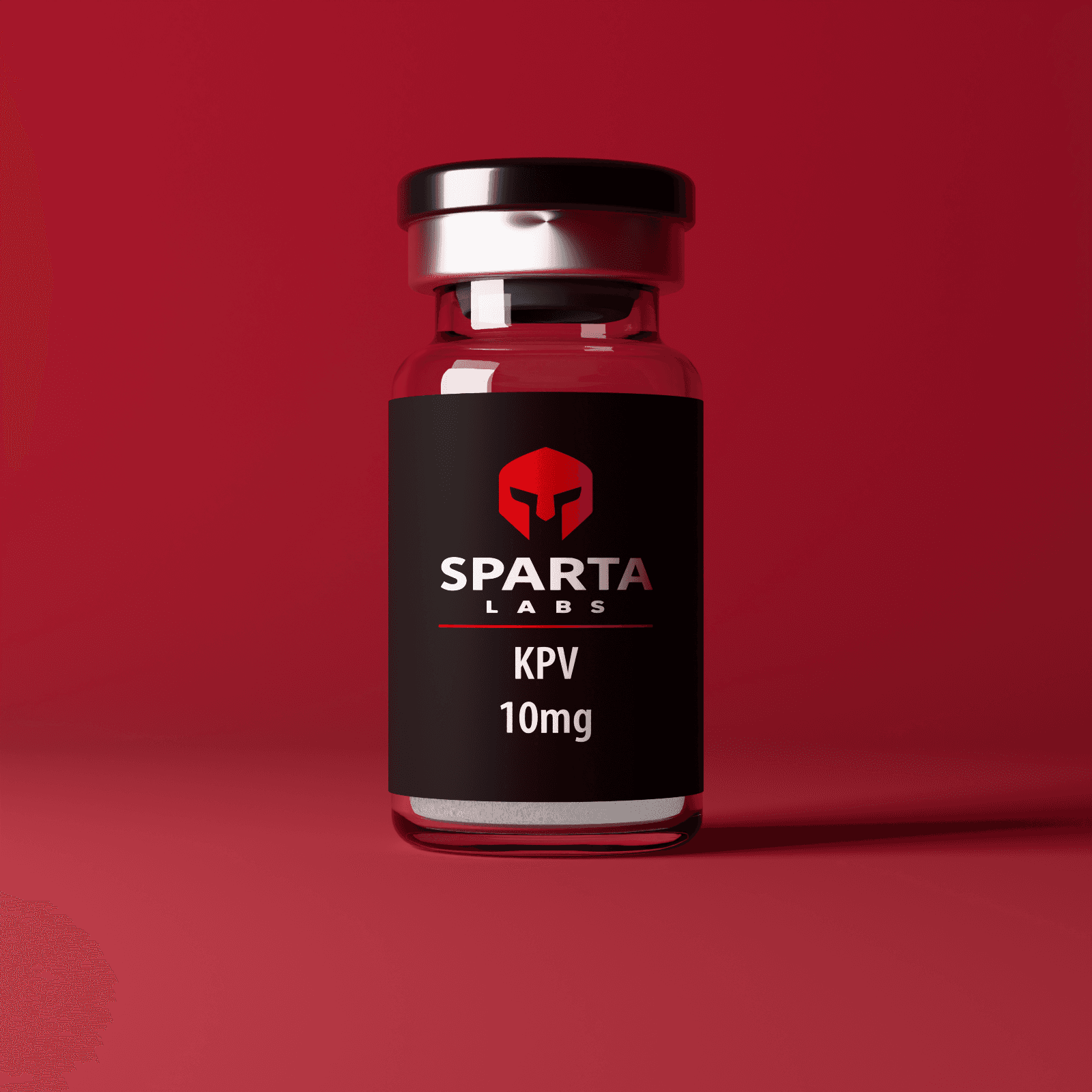
KPV
Lys-Pro-Val tripeptide · ≥99% HPLC · COA on file